Define website care before work begins
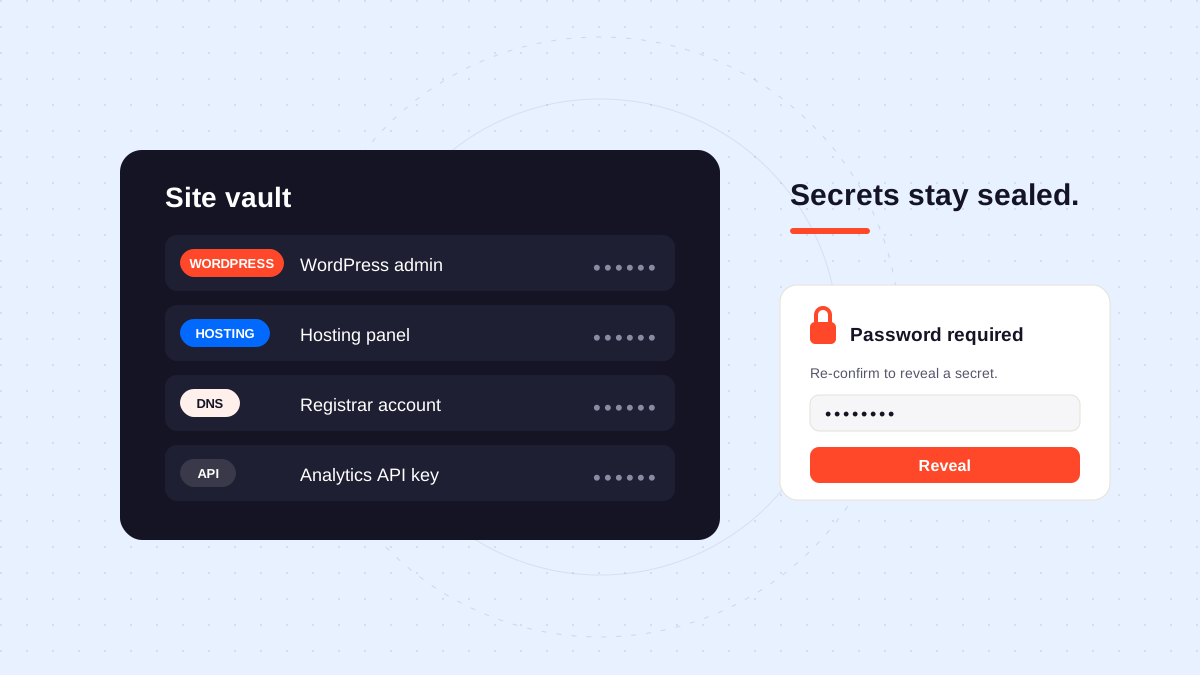
Agree what the team will maintain, what requires a separate decision, and how requests enter the workflow. Keep that scope beside the website's operational context.
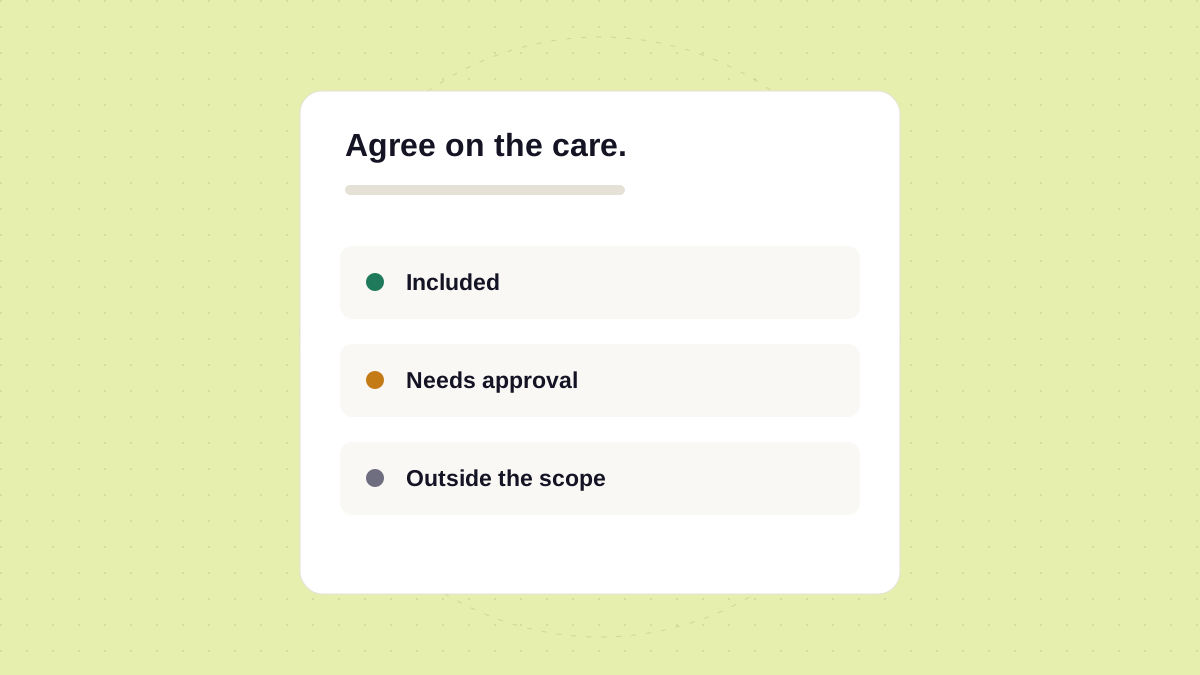
A maintenance request can sound simple while hiding several different expectations. Fixing a broken form, changing its fields, and connecting a new CRM may involve different work and different approvals.
Separate the request from the agreement
Start by describing the requested outcome in plain language. Then check how it relates to the care arrangement for that website.
| Work | What to clarify |
|---|---|
| Routine checks | Frequency, evidence, and the responsible person |
| Corrective work | How issues are reviewed and prioritised |
| New functionality | Who approves the scope before implementation |
| Third-party costs | Who owns the service and approves any purchase |
Make approval visible
When a request needs a decision, record who should make it and what information they need. Avoid treating an incoming message as an agreement on every part of the work.
- Describe the current behaviour and desired outcome.
- Identify dependencies and any open questions.
- Confirm the scope through the team’s normal process.
- Record the approved next action and its owner.
Keep the record connected
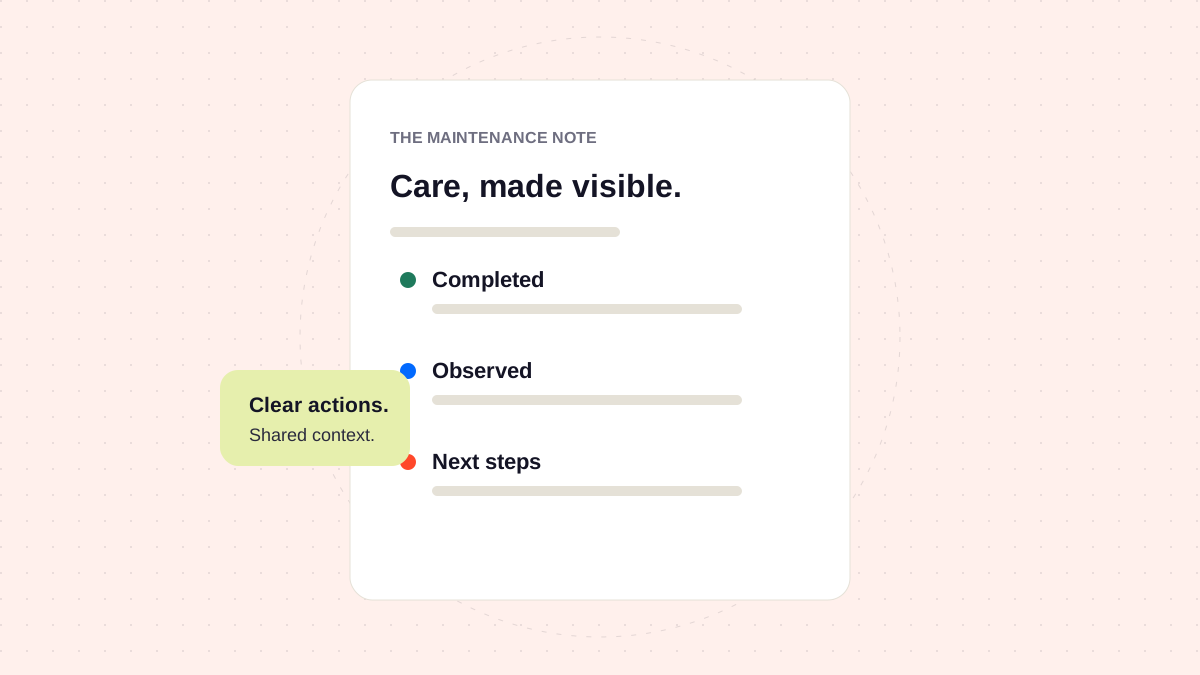
The care agreement, site context, and maintenance history should help explain one another. A report can then show why something was completed, deferred, or returned for approval.
Explore Orbit’s contracts approach and agency workflows for the operational context behind a clear maintenance record.